The People of Color Conference and Antisemitism
The definition of antisemitism should work to keep Jews safe as Jews in school, while not curtailing free speech or the cultural and religious safety of others, including Muslims and Palestinians.

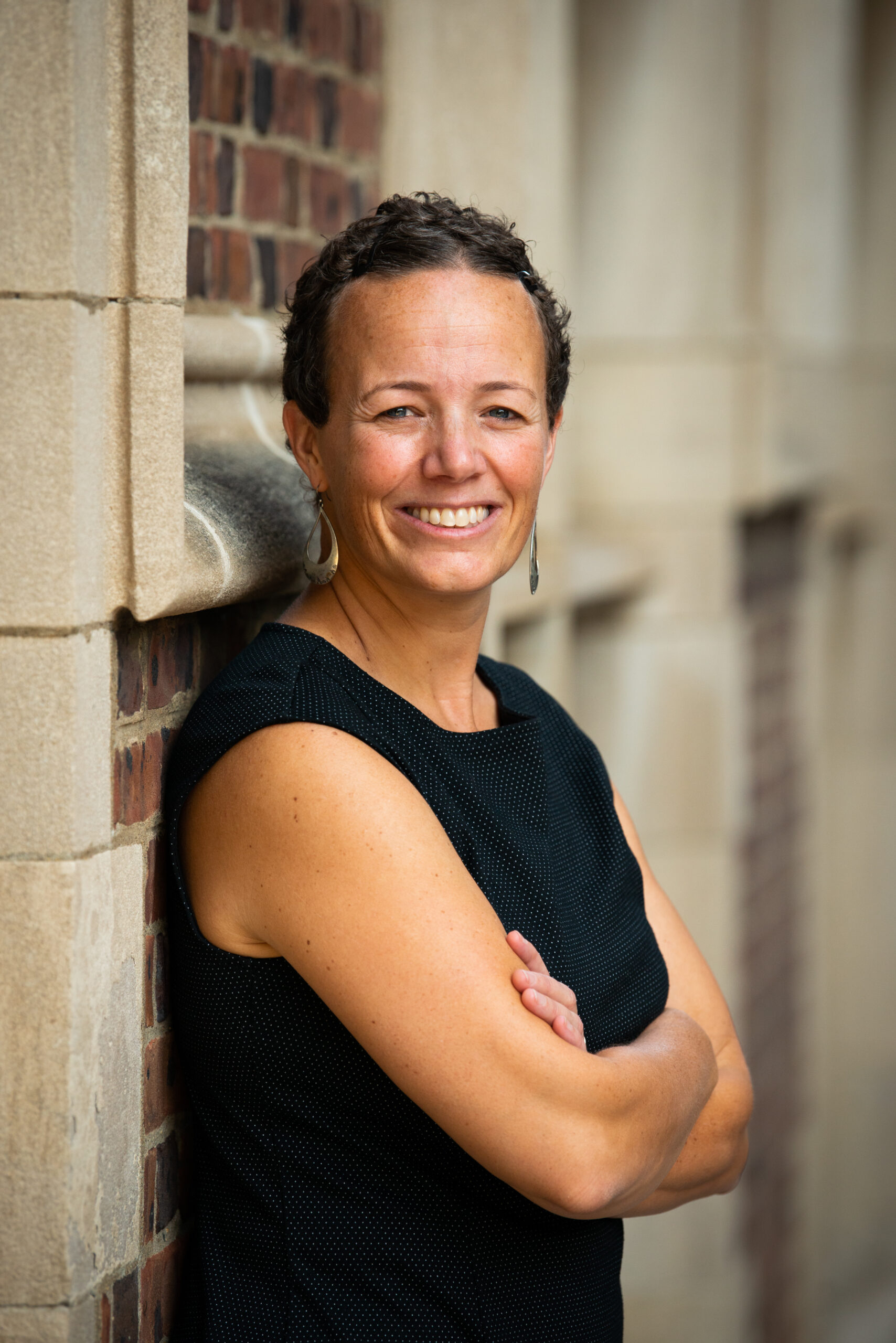
Ali Michael, Ph.D., is the co-founder and co-director of the Race Institute for K-12 Educators. A nationally recognized writer, speaker and facilitator, Michael is the author of the surprisingly funny Our Problem, Our Path: Collective Antiracism for White People. She is also the co-adaptor of the young-adult version of White Fragility. Michael has co-edited several books, including The Guide for White Women who Teach Black Boys. She sits on the editorial board of the journal Whiteness and Education, and teaches in the Diversity and Inclusion Program at Princeton University. After being denied three times, she converted to Judaism at West End Synagogue in New York City roughly 20 years ago.
Michael is a member of the board of her synagogue, Mishkan Shalom in Philadelphia, where she has been a member for 17 years. Both of her children have gone through Mishkan’s educational school, and she is preparing for her second child’s b’mitzvah. Currently, her research focuses on tracking and understanding the anti-DEI campaign, facilitating conversations about Israel-Palestine and using conflict theory to help schools navigate the current political moment.
More information is available at: alimichael.org.

The definition of antisemitism should work to keep Jews safe as Jews in school, while not curtailing free speech or the cultural and religious safety of others, including Muslims and Palestinians.

When people are traumatized or fearful, they cannot hear another person’s perspective until their fear and trauma have been heard.