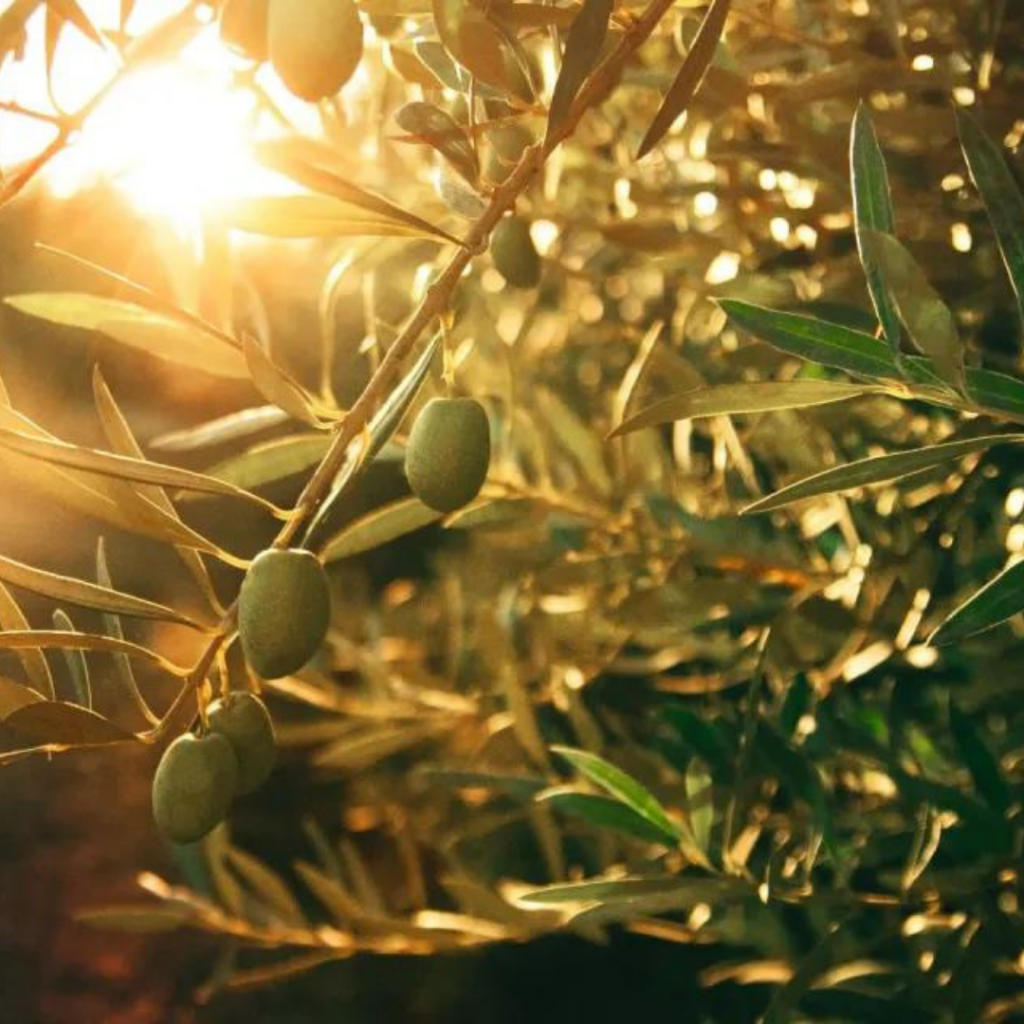
Protecting Water, Healing Ourselves and the Earth
When I remember water, I allow myself to be transformed, to remember myself in utero, untouched by the violence of this world.
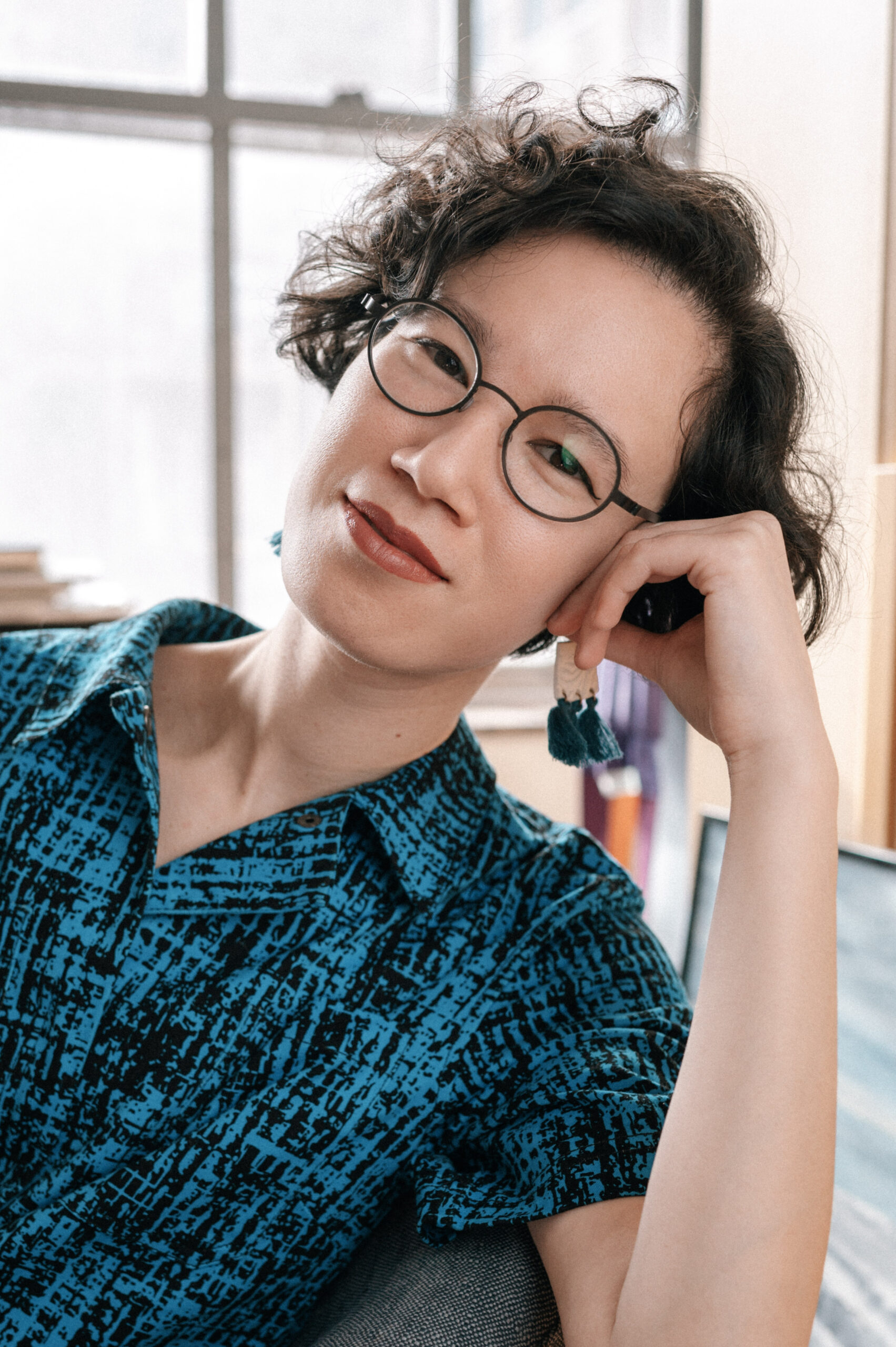
Rabbi May Ye (she/her) is a Chinese-American Jew from unceded Wabanaki land. A weaver of tradition and fashioner of new liturgy and ritual, she seeks to center and highlight the experiences of those who have been disenfranchised and marginalized from Judaism and Jewish spaces. A passionate activist, May explores how to decouple Judaism from Zionism and is an ardent supporter of Palestinian liberation.
She is a 2023 graduate of the Reconstructionist Rabbinical College (RRC). Currently living on unceded Quinnipiac land, May is humbled to work with Mending Minyan as its inaugural rabbi. She is honored to be the 2023-24 Walter and June Keener Wink fellow with the Fellowship of Reconciliation.
As a rabbinical student, May worked as a rabbinical intern at Tzedek Chicago and for Aurora Levins Morales on new liturgy that centers the voices of indigenous Jews and Jews of Color. She also served as a teacher for Ammud: The Jews of Color Torah Academy, as a climate justice fellow with POWER, an interfaith social justice organization in Philadelphia, and as a chaplain at Yale New Haven Health.
She is the founder of the Person of Color Havurah at Kol Tzedek Synagogue. May organized with Jewish Voice for Peace (JVP), Philadelphia chapter, as a member of the steering committee and chair of the ritual committee and she is honored to sit on JVP’s national rabbinical council. She also volunteers as a movement chaplain. In May 2022, she received the Tikkun Olam award from the Reconstructionist Rabbinical College “for her inspiring and passionate Palestine Liberation rabbinate and for connecting our politics to the way that we pray.”
She is also the 2023 recipient of the Rabbi Devora Bartnoff Prize for Spiritually Motivated Social Action.

When I remember water, I allow myself to be transformed, to remember myself in utero, untouched by the violence of this world.

How might we transform the traditional words of our liturgy to address our pain and commitment?